The Human Circulatory System (Circulation of Blood) – Meaning and Functions of the blood Vessel | Different Between Arteries, Veins and Capillaries Primary 6 (BASIC 6) Term 1 Week 5 Basic Science and Technology
BASIC SCIENCE
BASIC SCIENCE AND TECHNOLOGY (BST)
FIRST TERM WEEK 5
PRIMARY 6 (BASIC 6)
THEME: THE HUMAN BODY
TOPIC – THE HUMAN CIRCULATORY SYSTEM (THE HUMAN HEART)
LEARNING AREA
1. Circulation of Blood
2. Meaning and Functions of the blood Vessel
3. Different Between Arteries, Veins and Capillaries
4. How Food and materials are Distributed to Different Parts of the Body by the Blood
5. Revision and Weekly Assessment Test
PERFORMANCE OBJECTIVES
By the end of the lesson, the pupils should have attained the following objectives (cognitive, affective and psychomotor) and be able to:
1. name and identity blood vessel.
2. state the functions of blood vessel.
3. differentiate among arteries, veins and Capillaries.
4. describe in simple terms how food and materials are distributed to different parts of the body by, the blood.
5. state some basic functions of the blood vessels.
6. draw and label blood vessel.
ENTRY BEHAVIOR
The pupils are identify and describe blood in the body.
INSTRUCTIONAL MATERIALS
The teacher will teach the lesson with the aid of model of blood vessel and chart/diagram showing blood circulation.
METHOD OF TEACHING
Choose a suitable and appropriate methods for the lessons.
Note – Irrespective of choosing methods of teaching, always introduce an activities that will arouse pupil’s interest or lead them to the lessons.
REFERENCE MATERIALS
2. 9 – Years Basic Education Curriculum
3. LiveScience
4. Foundation of Basic Science and Technology Book 6
5. MacMillan Basic Science and Technology Book 6
6. All Relevant Material
7. Online Information – The Human Circulatory System – ASEI PDSI METHOD (Primary 6)
CONTENT OF THE LESSON
LESSON 1 – INTRODUCTION (THE BLOOD CIRCULATORY SYSTEM)
The blood circulatory system is known as cardiovascular system. It delivers nutrients and oxygen to all cells in the body. It consists of the heart and the blood vessels running through the entire body. The arteries carry blood away from the heart; the veins carry it back to the heart.
BLOOD VESSELS
Blood vessels are the network of tubes that circulate blood throughout the body, forming a closed loop that begins and ends at the heart.
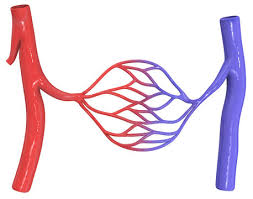
They are essential for transporting oxygen, nutrients, and waste products. The three main types of blood vessels are arteries, veins, and capillaries.
HOMEWORK – Differentiate between arteries, veins, and capillaries.
LESSON 2 – TYPES OF BLOOD VESSELS
The blood vessels are system of tubes that carry the blood throughout the body. There are three major types of blood vessels:

1. The arteries are the blood vessels that carry oxygen-rich blood away from the heart to the tissues of the body. They are the thickest blood vessels.
2. The veins are blood vessel that carry blood from the capillaries back toward the heart. They are thinner than arteries.
3. The capillaries are tiny tubes that connect the arteries and the veins to the body’s tissues.
HOMEWORK – Find out the functions of blood vessels.
LESSON 3 – FUNCTIONS OF THE BLOOD VESSELS
1. Blood vessels transport blood throughout the body.
2. They carrying oxygen and nutrients to different parts of the body.
3. They remove waste products from the body system.
4. They help regulate and maintain the blood pressure.
5. The blood vessels are very crucial for delivering oxygen and nutrients to blood cells and removing waste products.
HOW FOOD AND MATERIALS ARE DISTRIBUTED TO DIFFERENT PARTS OF THE BODY BY THE BLOOD
The circulatory system, through the blood distributes food and other essential materials throughout the body. Digested nutrients are absorbed into the bloodstream, then transported to cells where they are needed.
PRESENTATION
To deliver the lesson, the teacher adopts the following steps:
1. To introduce the lesson, the teacher revises the previous lesson by asking the pupils relevant questions based based on lesson taught or learnt.
2. Teacher organizes the pupils into two or more questions depending on the size of the class.
3. Teacher asks the pupils to differentiate between water and blood.
Pupil’s Activities – The pupils differentiate between water and blood.
4. Teacher uses charts showing the blood vessels and the pupils relevant responses to introduce the lesson, leads a class discussion on the meaning and types of blood vessels.
Pupil’s Activities – The pupils pay attention to the lesson introduction and participate actively to the class discussion on the meaning and types of blood vessels.
5. Teacher explains the important functions of the blood vessel in our bodies.
Pupil’s Activities – The pupils pay attention to the explanation and appreciate the functions of the blood vessels in the body.
6. Teacher describes how food and materials are distributed to different parts of the body by, the blood.
Pupil’s Activities – The pupils trace the movement of food and other materials by the blood to all parts of the human body using a chart.
7. Teacher summarizes the lesson on the board with appropriate evaluation.
Pupil’s Activities – The pupils participate actively in the summary of the lesson by responding correctly to most of the questions write as instructed.
CONCLUSION
To conclude the lesson for the week, the teacher revises the entire lesson and links it to the following week’s lesson – revision of first term’s lesson.
LESSON EVALUATION
Teacher asks the pupils to:
1. name and identity blood vessel.
2. differentiate among arteries, veins and Capillaries.
3. describe in simple terms how food and materials are distributed to different parts of the body by, the blood.
4. state 3 basic functions of the blood vessels.
5. draw and label blood vessel.
WEEKLY ASSESSMENT TEST
INSTRUCTION – Attempt any 10 questions. Question 13, 14 and 15 are compulsory.
1. _____ is known as cardiovascular system.
A. Blood circulatory system
B. Artery system
C. Capillary system
2. _____ delivers nutrients and oxygen to all cells in the body.
A. Artery circulatory system
B. Capillary circulatory system
C. Blood circulatory system
3. The circulatory system consists of the _____ and the _____ vessels running through the entire body.
A. blood and organ
B. blood and heart
C. Blood and food
4. The _____ carry blood away from the heart.
A. veins
B. arteries
C. capillaries
5. The _____ carry it back to the heart.
A. veins
B. arteries
C. capillaries
6. The _____ are tiny tubes that connect the arteries and the veins to the body’s tissues.
A. veins
B. arteries
C. capillaries
7. Blood vessels are the network of tubes that circulate blood throughout the body, forming a closed loop that begins and ends at the heart.
A. Blood cell
B. Blood banks
C. Blood vessels
8. There are three major types of blood vessels.
A. 5
B. 4
C. 3
9. They are essential for transporting oxygen, nutrients, and waste products. True/False
10. Arteries are the thinest blood vessels. True/False
11. Vein are thicker than arteries. True/False
13. differentiate among arteries, veins and Capillaries.
14. draw and label blood vessel.
15. describe in simple terms how food and materials are distributed to different parts of the body by, the blood.

Second Term Agriculture Plan Lesson Notes According to the the Lagos State Scheme of Work for Primary 1 (Basic 1) Lesson Notes
Meaning of Ear Training and Harmony | Features of Harmony | Rudiments of Harmony in TWO Part Writing and Four Part of the Writing JSS 1 (Basic 7) – Cultural and Creative Arts

Components of Civic Education – Meaning and Examples of Rights Primary 3 (Basic 3) Civic Education
About The Author

Alabi M. S.
Michael is Principal Education Officer at LASUBEB. With 15+ years experience in teaching and learning, He loves talking about Plan Lesson Notes and Quality Assurance in Education. He also believes teachers inspire our future. CRN (ClassRoomNotes) is a website FOR TEACHERS BY TEACHER, and He aims to continuously inform and encourage teaching! All materials are subject to TERMLY review.