The Human Circulatory System (The Human Heart) – Meaning of Circulatory System | The Structure and Functions of the Heart Primary 6 (BASIC 6) Term 1 Week 4 Basic Science and Technology
BASIC SCIENCE
BASIC SCIENCE AND TECHNOLOGY (BST)
FIRST TERM WEEK 4
PRIMARY 6 (BASIC 6)
THEME: THE HUMAN BODY
PREVIOUS LESSON – Improving Crops Yield – Growing Crops with Compost and Chemical Fertilizer | Conditions for Growing Better Crops | Importance of Fertilizers to the Soil Primary 6 (Basic 6) Term 1 Week 3 Basic Science and Technology orImproving Crop Yield – Food and Cash Crops – Population and Economic Consequences – ASEI PDSI METHOD (Primary 6)
TOPIC – THE HUMAN CIRCULATORY SYSTEM (THE HUMAN HEART)
LEARNING AREA
1. The Human Heart
2. The Structure of the Heart
3. The Functions of the Heart
4. Revision and Weekly Assessment Test
PERFORMANCE OBJECTIVES
By the end of the lesson, the pupils should have attained the following objectives (cognitive, affective and psychomotor) and be able to:
1. explain the meaning of circulatory system.
2. name and identity some the parts of the human heart.
3. state some basic functions of the human heart.
ENTRY BEHAVIOR
The pupils can identity and describe the human heart.
INSTRUCTIONAL MATERIALS
The teacher will teach the lesson with the aid of model of the human heart
METHOD OF TEACHING
Choose a suitable and appropriate methods for the lessons.
Note – Irrespective of choosing methods of teaching, always introduce an activities that will arouse pupil’s interest or lead them to the lessons.
REFERENCE MATERIALS
2. 9 – Years Basic Education Curriculum
3. LiveScience
4. Foundation of Basic Science and Technology Book 6
5. MacMillan Basic Science and Technology Book 6
6. All Relevant Material
7. Online Information – The Human Circulatory System – ASEI PDSI METHOD (Primary 6)
CONTENT OF THE LESSON
LESSON 1 – INTRODUCTION (MEANING OF CIRCULATORY SYSTEM)
The circulatory system is a network of organs and vessels that circulate blood throughout the body. It is made of independent systems that work together. These systems are the heart (cardiovascular), lungs (pulmonary), and arteries, veins, coronary and portal vessels (systemic).
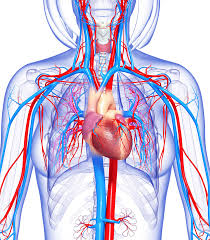
Circulatory System Diagram
The key components of circulatory system are the heart, which pumps blood, and blood vessels (arteries, veins, and capillaries) that carry blood to and from the heart. Circulatory system delivers essential substances like oxygen and nutrients to cells and removes waste products.
THE HUMAN HEART
The human heart is an organ that pumps blood throughout the body via the circulatory system, supplying oxygen and nutrients to the tissues and removing carbon dioxide and other wastes.
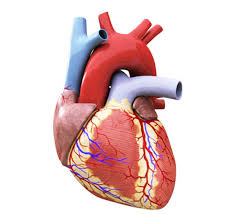
HOMEWORK – Draw and lebel the structure of the heart.
LESSON 2 – STRUCTURE OF THE HEART
The human heart has a four-chambered structure consisting of two atria (right and left) and two ventricles (right and left).
 The right atrium and right ventricle together make up the “right heart,” and the left atrium and left ventricle make up the “left heart.” A wall of muscle called the septum separates the two sides of the heart.
The heart also has a network of blood vessels including arteries and veins that transport blood throughout the body.
HOMEWORK – Find out the functions of the heart.
LESSON 3 – FUNCTIONS OF THE HEART
The functions of the heart are as follows –
1. It is a muscular and pumping organ.
2. It pumps blood to other parts of the body.
3. It delivers oxygen and nutrients to the body.
4. It removes waste products from the body.
5. It maintains adequate blood pressure that’s necessary for proper blood circulation.
6. It regular the heart rate.
7. It circulates hormones and other vital substances throughout the body.
8. The pumping action keep human being alive.
PRESENTATION
To deliver the lesson, the teacher adopts the following steps:
1. To introduce the lesson, the teacher revises the previous lesson by asking the pupils questions based on what he/she has taught and why they have learnt.
2. Teacher organizes the pupils into two or more groups depending on the size of the class.
3. Teacher displays chart/poster showing human circulatory system for the pupils to identify and describe the flow of blood throughout the body.
Pupil’s Activities – The pupils identify and describe the flow of blood throughout the body.
4. Teacher uses the chart/model and the pupils relevant responses to introduce the lesson, leads a class discussion on the meaning of circulatory system.
Pupil’s Activities – The pupils pay attention to the lesson introduction and participate actively in the class discussion on the meaning of circulatory system.
5. Teacher uses chart showing the human heart or a model of human heart to lead a class discussion on the structure and functions of the heart.
Pupil’s Activities – The pupils participate actively in the class discussion and appreciate the important functions of the human heart to other parts of the body.
6. Teacher asks the pupils to draw and label the structure of the heart.
Pupil’s Activities – The pupils draw and label the structure of the heart.
7. Teacher summarizes the lesson on the board with appropriate evaluation.
Pupil’s Activities – The pupils participate actively in the summary of the lesson by responding correctly to most of the questions write as instructed.
CONCLUSION
To conclude the lesson for the week, the teacher revises the entire lesson and links it to the following week’s lesson – revision of first term’s lesson.
LESSON EVALUATION
Teacher asks pupils to:
1. define the human circulatory system.
2. draw and describe the human heart.
3. draw and label the structure of the heart.
4. briefly describe the structure of the heart.
5. state 5 functions each of the heart.
WEEKLY ASSESSMENT TEST
INSTRUCTION – Attempt any 10 questions. Question 11 and 12 are compulsory.
1. _____ is a network of organs and vessels that circulate blood throughout the body.
A. Circulatory system
B. Computer system
C. Heart system
2. Circulatory system is made of _____ that work together.
A. different system
B. dependent system
C. independent systems
3. The human heart is an organ that pumps _____ throughout the body.
A. blood
B. heart
C. organ
4. The circulatory system supplies _____ and _____ to the tissues.
A. oxygen and carbon dioxide
B. oxygen and nutrients
C. carbon dioxide and nutrients
5. _____ removes carbon dioxide and other wastes.
A. Circulatory system
B. Computer system
C. Heart system
6. _____ has a network of blood vessels including arteries and veins that transport blood throughout the body.
A. The heart
B. The organ
C. The system
7. The human heart has a _____ chambered structure consisting of two atria (right and left) and two ventricles (right and left).
A. 2
B. 4
C. 8
State 3 functions of the human heart.
8. __________
9. __________
10. __________
11. Draw and label the structure of the heart.
12. Draw and describe the human heart.
NIGERIAN NATIONAL ANTHEM

Meaning of Contemporary Dance | Features of Contemporary Dance | Performing Contemporary Dance JSS 1 (Basic 7) – Cultural and Creative Arts
Rhymes Nursery 2 (Age 4) – Letter Work
About The Author

Alabi M. S.
Michael is Principal Education Officer at LASUBEB. With 15+ years experience in teaching and learning, He loves talking about Plan Lesson Notes and Quality Assurance in Education. He also believes teachers inspire our future. CRN (ClassRoomNotes) is a website FOR TEACHERS BY TEACHER, and He aims to continuously inform and encourage teaching! All materials are subject to TERMLY review.