The Human Circulatory System (The Human Heart): Meaning of the Circulatory System, Identification of the Human Heart, and the Structure and Functions of the Heart Primary 6 (Basic 6) First Term Week 4 Basic Science And Technology
BASIC SCIENCE AND TECHNOLOGY
FIRST TERM
WEEK 4
PRIMARY 6 (BASIC 6)
THEME – LIVING AND NON LIVING THINGS
TOPIC – HUMAN CIRCULATORY SYSTEM (THE HUMAN HEART)
LEARNING AREA
1. Introduction
2. Meaning of Circulatory System
3. Name and Identification of Human Heart
4. The Structure and Functions of the Heart
5. Weekly Assessment: Test Questions and Answers/Assignment
6. Summary
LEARNING OBJECTIVES
By the end of the lesson, pupils should be able to:
1. Define the circulatory system.
2. Identify the human heart.
3. Describe the structure of the human heart.
4. State the functions of the heart.
5. Explain the importance of the circulatory system in the human body.
ENTRY BEHAVIOUR
Pupils have previously learned about the human body, body organs, and body systems. They know that different organs work together to keep the body healthy and alive.
This lesson builds on that knowledge by introducing the circulatory system, which helps transport blood, oxygen, nutrients, and other essential substances to all parts of the body through the pumping action of the heart.
INSTRUCTIONAL MATERIALS
The teacher will teach the lesson with the aid of:
1. Chart of the human circulatory system
2. Model or diagram of the human heart
3. Flash cards
4. Pictures of the heart and blood vessels
METHOD OF TEACHING
Choose a suitable and appropriate methods for the lessons.
Note – Irrespective of choosing methods of teaching, always introduce an activities that will arouse pupil’s interest or lead them to the lessons.
REFERENCE MATERIALS
1. Scheme of Work
2. 9 – Years Basic Education Curriculum
3. Course Book
4. All Relevant Material
5. Online Information
CONTENT OF THE LESSON
INTRODUCTION
Every day, your body needs oxygen and nutrients to stay alive, grow, and perform different activities such as walking, running, playing, and learning. These important substances must be carried to every part of the body, while waste products such as carbon dioxide must also be removed.
The movement of blood throughout the body is made possible by a special body system called the circulatory system. At the centre of this system is the heart, a strong muscular organ that pumps blood continuously to all parts of the body.
In this lesson, pupils will learn the meaning of the circulatory system, identify the human heart, describe its structure, and explain the important functions it performs in keeping the body healthy and alive.
MEANING OF CIRCULATORY SYSTEM
The circulatory system is the body system responsible for transporting blood, oxygen, nutrients, hormones, and other useful substances to all parts of the body. It also carries waste products, such as carbon dioxide, away from body cells for removal.
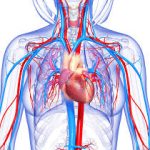
The main parts of the circulatory system are:
- The heart
- Blood
- Blood vessels (arteries, veins, and capillaries)
THE HUMAN HEART
The human heart is a strong, hollow, muscular organ that pumps blood continuously throughout the body. It is the main organ of the circulatory system.
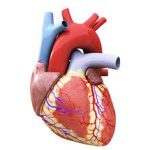
LOCATION OF THE HUMAN HEART
The human heart:
1. It is located in the chest.
2. It lies between the two lungs.
3. It is slightly tilted to the left side of the chest.
4. It is protected by the rib cage.
5. It is about the size of a closed fist.
FEATURES OF THE HUMAN HEART
1. It is made of strong muscles.
2. It beats continuously throughout a person’s life.
3. It has four chambers.
4. It is connected to arteries and veins.
5. It pumps blood to all parts of the body.
STRUCTURE OF THE HEART
The heart is a strong, muscular organ made up of different parts that work together to pump blood throughout the body.

The main parts of the heart include:
1. Four Chambers
- Right atrium
- Left atrium
- Right ventricle
- Left ventricle
2. Heart Valves
- Valves open and close to ensure that blood flows in one direction and does not flow backwards.
3. Blood Vessels Connected to the Heart
- Arteries carry blood away from the heart.
- Veins carry blood back to the heart.
FUNCTIONS OF THE HEART
1. It pumps blood to all parts of the body.
2. It supplies oxygen and nutrients to body cells.
3. It carries carbon dioxide and other waste products away from body tissues.
4. It maintains continuous blood circulation throughout the body.
5. It helps transport hormones and other important substances.
6. It supports the proper functioning of all body organs.
WEEKLY ASSESSMENT: TEST QUESTIONS AND ANSWERS/ASSIGNMENT
A. Objective Questions (Choose the Correct Answer)
1. The main organ of the circulatory system is the ______.
A. Brain
B. Heart
C. Liver
D. Kidney
2. The circulatory system transports ______ throughout the body.
A. Air only
B. Food only
C. Water only
D. Blood
3. The heart is located in the ______.
A. Stomach
B. Head
C. Chest
D. Leg
4. How many chambers does the human heart have?
A. Two
B. Three
C. Four
D. Five
5. Which blood vessels carry blood away from the heart?
A. Arteries
B. Veins
C. Capillaries
D. Nerves
B. Fill in the Blanks
6. The ______ pumps blood throughout the body.
7. The circulatory system consists of the heart, blood, and ______.
8. The heart is protected by the ______.
9. The heart is located between the two ______.
10. Blood carries ______ and nutrients to all parts of the body.
C. True or False
11. The heart is a muscular organ. ______
12. The circulatory system helps transport blood. ______
13. The heart has two chambers. ______
14. The heart is found in the chest. ______
15. Veins carry blood back to the heart. ______
D. Short Answer Questions
16. What is the circulatory system?
17. What is the main function of the heart?
18. Mention the three main parts of the circulatory system.
19. Name the four chambers of the heart.
20. State three functions of the heart.
ANSWER GUIDE
1. B
2. D
3. C
4. C
5. A
6. Heart
7. Blood vessels
8. Rib cage
9. Lungs
10. Oxygen
11. True
12. True
13. False
14. True
15. True
16. The circulatory system is the body system that transports blood, oxygen, nutrients, and waste products throughout the body.
17. The main function of the heart is to pump blood throughout the body.
18. Heart, blood, and blood vessels.
19. Right atrium, Left atrium, Right ventricle, Left ventricle.
20. It pumps blood, supplies oxygen and nutrients to body cells, removes waste products, transports hormones, and maintains blood circulation (any three).
SUMMARY
In this lesson, pupils learned that the circulatory system is the body system responsible for transporting blood, oxygen, nutrients, hormones, and other useful substances to all parts of the body while removing waste products such as carbon dioxide.
They also learned that the main parts of the circulatory system are the heart, blood, and blood vessels.
Pupils identified the human heart as a strong, muscular organ located in the chest between the lungs and slightly to the left side of the body. They learned that the heart is about the size of a closed fist and is protected by the rib cage.
Furthermore, pupils learned that the heart has four chambers:
- Right atrium
- Left atrium
- Right ventricle
- Left ventricle
They also learned that the heart contains valves, which prevent the backward flow of blood, and is connected to arteries and veins, which transport blood throughout the body.
Finally, pupils learned the functions of the heart, which include pumping blood throughout the body, supplying oxygen and nutrients to body cells, removing waste products, transporting hormones, and maintaining continuous blood circulation. The heart is the main organ of the circulatory system and is essential for keeping the body alive and healthy.
PRESENTATION
To deliver the lesson, the teacher adopts the following steps:
1. The teacher displays a chart or model of the human circulatory system and the human heart.
Pupils’ Activities: Pupils observe the chart/model and identify the heart.
2. The teacher explains the meaning of the circulatory system.
Pupils’ Activities: Pupils explain the circulatory system in their own words.
3. The teacher identifies the main parts of the circulatory system (heart, blood, and blood vessels).
Pupils’ Activities: Pupils mention the three main parts of the circulatory system.
4. The teacher explains the location and features of the human heart.
Pupils’ Activities: Pupils identify where the heart is located in the body.
5. The teacher explains the structure of the heart, including its four chambers, valves, arteries, and veins.
Pupils’ Activities: Pupils identify the main parts of the heart on the chart or model.
6. The teacher discusses the functions of the heart.
Pupils’ Activities: Pupils state the functions of the heart.
7. The teacher explains the importance of the circulatory system in transporting oxygen, nutrients, and waste products.
Pupils’ Activities: Pupils explain why blood circulation is important.
8. The teacher asks oral questions based on the lesson.
Pupils’ Activities: Pupils answer the questions and participate actively.
9. The teacher summarizes the lesson.
Pupils’ Activities: Pupils participate in the summary and take notes.
10. The teacher gives classwork and provides corrections where necessary.
Pupils’ Activities: Pupils complete the exercise and correct their mistakes.
CONCLUSION
To conclude the lesson for the week, the teacher revises the entire lesson and links it to the following week’s lesson.
NEXT LESSON
LESSON EVALUATION
Teacher asks pupils,
1. What is the circulatory system?
2. Mention the three main parts of the circulatory system.
3. Describe the location of the human heart.
4. Name the four chambers of the heart.
5. State five functions of the heart.
Meaning of Acids and Bases | Properties of Acids and Bases | Types of Acids and Bases | Uses of Acids and Bases
Water Projects in Nigeria

Features of A Printer (Primary 2)
About The Author

Alabi M. S.
Michael is a Principal Education Officer at LASUBEB with over 15 years of experience in teaching and learning. He is passionate about developing plan lesson notes and promoting quality assurance in education. Michael strongly believes that teachers inspire the future and play a vital role in shaping the next generation.