Reading Passage on Argumentative Easy Topic: Democratic or Military Rules Primary 6 (Basic 6) Second Term Week 3 English Studies
READING PASSAGE ON ARGUMENTATIVE ESSAY TOPIC: DEMOCRATIC OR MILITARY RULE PRIMARY 6 (BASIC 6) SECOND TERM WEEK 3 ENGLISH STUDIES
ENGLISH STUDIES
SECOND TERM
WEEK 3
PRIMARY 6 (BASIC 6)
THEME – READING
TOPIC – ARGUMENTATIVE ESSAY
LEARNING OBJECTIVES
By the end of the lesson, most pupils should be able to:
1. read the passage fluently and correctly.
2. explain the meaning of democratic rule and military rule.
3. identify differences between democracy and military government.
4. state advantages of democratic government.
5. explain the main ideas in the passage.
7. answer comprehension questions based on the passage correctly.
8. use new words from the passage in meaningful sentences.
ENTRY BEHAVIOUR
The pupils can define and defferentiate between democratic rule and military rule.
INSTRUCTIONAL MATERIALS
The teacher will teach the lesson with the aid of chart showing democratic rule and military rule.
METHOD OF TEACHING
Choose a suitable and appropriate methods for the lessons.
Note – Irrespective of choosing methods of teaching, always introduce an activities that will arouse pupil’s interest or lead them to the lessons.
REFERENCE MATERIALS
1. Scheme of Work
2. 9 – Years Basic Education Curriculum
3. Course Book
4. All Relevant Material
5. Online Information
CONTENT OF THE LESSON
PASSAGE: DEMOCRATIC OR MILITARY RULE
People govern countries in different ways. Two common forms of government are democratic rule and military rule.
In a democratic government, leaders are chosen by the people through elections. Citizens have the freedom to vote and choose their leaders. Democracy allows people to express their opinions freely and enjoy their rights.
Military rule happens when soldiers take control of the government, usually without elections. Under military rule, citizens may not enjoy full freedom, and strict laws are often enforced.
Many people believe democracy is better because it allows people to participate in government and choose their leaders peacefully. Others think military rule can bring discipline and quick decisions during difficult times.
However, democracy is generally preferred because it promotes freedom, peace, and equal rights among citizens.
WORDS AND MEANINGS
1. Democratic – Related to government chosen by the people
2. Military – Related to soldiers or the armed forces
3. Elections – The process of choosing leaders by voting
4. Citizens – People living in a country
5. Freedom – The right to act or speak freely
6. Opinions – Personal thoughts or ideas
7. Discipline – Orderly behaviour and obedience
8. Rights – Freedoms people are allowed to have
Comprehension Questions
1. What are the two forms of government mentioned in the passage?
2. How are leaders chosen in a democratic government?
3. Who controls government during military rule?
4. Mention one advantage of democracy.
5. What do some people think about military rule?
6. Why is democracy generally preferred?
7. What is the meaning of elections?
8. State one lesson learned from the passage.
PRESENTATION
To deliver the lesson, the teacher adopts the following steps:
1. To introduce the lesson, the teacher revises the previous lesson on government and asks pupils to mention any type of government they know.
Pupils’ Activities: The pupils respond to the teacher’s questions and mention types of government they know.
2. The teacher organizes the pupils into groups or pairs depending on the size of the class.
Pupils’ Activities: Each pupil belongs to a group.
3. The teacher presents the reading passage on democratic and military rule and guides the pupils to read it aloud.
Pupils’ Activities: The pupils read the passage aloud with correct pronunciation and expression.
4. The teacher explains difficult words and expressions found in the passage.
Pupils’ Activities: The pupils identify unfamiliar words and learn their meanings.
5. The teacher explains the differences between democratic rule and military rule using examples familiar to the pupils.
Pupils’ Activities: The pupils listen attentively and participate in class discussion.
6. The teacher asks comprehension and argumentative questions based on the passage.
Pupils’ Activities: The pupils answer questions and express their opinions politely.
7. The teacher summarizes the lesson on the board and gives appropriate evaluation.
Pupils’ Activities: The pupils participate actively in the summary of the lesson by responding correctly to most of the questions as instructed.
CONCLUSION
To conclude the lesson for the week, the teacher revises the entire lesson and links it to the following week’s lesson.
NEXT LESSON
LESSON EVALUATION
Teacher asks pupils,
1. what are the two forms of government mentioned in the passage?
2. how are leaders chosen in a democratic government?
3. who controls government during military rule?
4. mention one advantage of democracy.
5. what do some people think about military rule?
6. why is democracy generally preferred?
7. what is the meaning of elections?
8. state one lesson learned from the passage.

Scratch in the Environment: Applying Scratch Programming to Clean Up the Ocean and Preserve the Climate Primary 6 (Basic 6) Third Term Week 6 Information Technology – Computer Studies

First Term Social Studies Plan Lesson Notes According to the the Lagos State Scheme of Work for Primary 5 (Basic 5) Lesson Notes
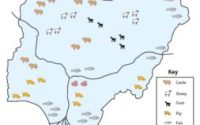
Distribution of Animals in Nigeria (Primary 6)
About The Author

Alabi M. S.
Michael is a Principal Education Officer at LASUBEB with over 15 years of experience in teaching and learning. He is passionate about developing plan lesson notes and promoting quality assurance in education. Michael strongly believes that teachers inspire the future and play a vital role in shaping the next generation.